
Why Is My Dishwasher Leaking Water?
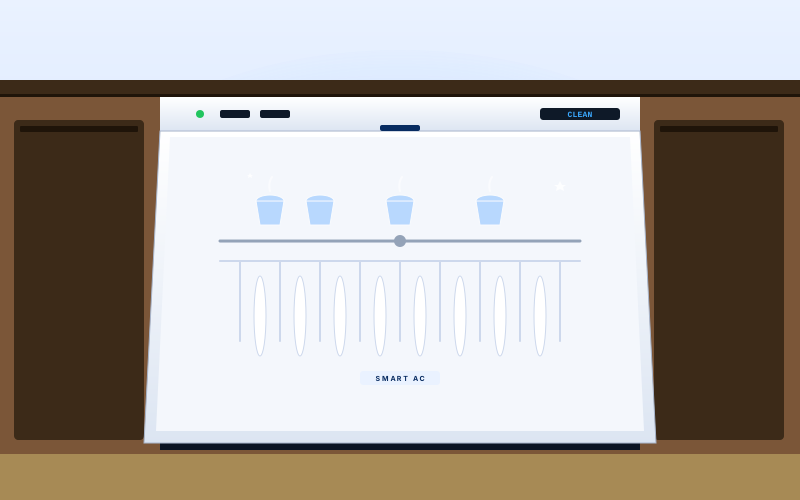
Water on the kitchen floor in front of the dishwasher is one problem you should never leave. Beyond the puddle, a slow dishwasher leak can rot cabinets, lift flooring and reach the neighbours below in an apartment. The causes range from a five-minute fix to a proper repair – here is how to tell them apart.
First: switch it off
If you see water leaking, stop the cycle, switch the dishwasher off at the wall, and turn off its water supply valve (usually under the sink) if you can reach it. Mop up so you can see where the water is actually coming from – front, underneath, or the side.
Common reasons a dishwasher leaks
1. A worn or dirty door seal
The rubber gasket around the door keeps water inside during the wash. Over time it hardens, tears, or gets clogged with grease and food so it no longer seals – and water escapes from the front of the door. This is the most common leak we see, and often the cheapest to fix.
2. A faulty door latch or misaligned door
If the door does not close tightly – a worn latch, a bent hinge, or a machine that is not level – the seal cannot do its job and water sprays out at the front.
3. Over-sudsing from the wrong detergent
Using hand dish soap or too much detergent creates a mass of suds that overflows the door. It looks alarming but the fix is simple: only ever use proper dishwasher detergent, in the right amount. This is a surprisingly common cause of “my dishwasher is leaking”.
4. Leaking hoses or connections
The fill and drain hoses, and their clamps and connections under the sink, can loosen, perish or crack – leaking water underneath the machine rather than at the front. A leak from below usually points here or to the pump.
5. A failed pump or tub seal
The wash and drain pumps have seals that can wear and weep, and the tub itself has seals around the heater and spray-arm fittings. When these fail, water escapes under the machine during the cycle. This is a technician repair.
6. A cracked tub or overfilling
Less often, an old plastic tub cracks, or a faulty inlet valve or float switch lets the machine overfill until it overflows. Both need professional diagnosis.
What you can safely check yourself
- Check the door seal. Wipe it clean and run your finger around it feeling for tears, hard spots or gaps. Clean off any grease or debris caught in it.
- Check the door closes squarely and latches firmly, and that the machine is level.
- Check your detergent. If you recently used hand soap or too much detergent, that is almost certainly the cause – switch to proper dishwasher detergent.
- Look underneath and behind for water at the hose connections, and check the valve under the sink is not weeping.
- Note where the water appears – front means door/seal, underneath means hoses or pump.
What you should not do is keep running the machine while it leaks, or start opening the pump and hoses yourself – water and electricity together need proper handling.
When to call a technician
If the door seal looks fine and you have ruled out detergent, or the water is coming from underneath, it is time for a professional. Our dishwasher repair team traces and stops leaks – door seals, hoses, pump and tub seals – same-day across Sharjah and Dubai, with a fixed written quote before any work, so a small leak does not become water damage.
How to prevent leaks
- Only use dishwasher detergent – never hand dish soap – and the correct amount.
- Keep the door seal clean and wipe it monthly.
- Do not overload or block the door from closing fully.
- Check the hose connections under the sink occasionally for damp.
Where the water appears tells you a lot
Before you call anyone, note carefully where the water shows up, because it points straight at the cause. Water at the front, by the door, almost always means the door seal, the latch, or over-sudsing from the wrong detergent. Water underneath the machine points to the hoses, their connections, or a worn pump or tub seal. Water only during filling suggests the inlet valve or an overfill fault, while water that appears after the cycle is more likely drainage backing up rather than a true leak. Passing this one detail to your technician when you book – front, underneath, during fill, or after – often means they arrive with the right part and finish the repair in a single visit, rather than diagnosing on one trip and returning on another.
Frequently asked questions
Is a leaking dishwasher dangerous?
The water itself is not, but a leak near electrical components is a shock risk, and slow leaks cause serious cabinet, floor and (in apartments) neighbour damage. Switch it off and get it looked at the same day.
Why is my dishwasher leaking from the door?
Usually a worn or dirty door seal, a door that is not latching squarely, or over-sudsing from the wrong detergent. Clean and check the seal, and make sure you are using dishwasher detergent only.
Can too much detergent make a dishwasher leak?
Yes. Hand dish soap or too much detergent creates suds that overflow the door. Use only proper dishwasher detergent in the recommended amount.
How much does it cost to fix a leaking dishwasher?
A diagnostic visit is AED 50, waived on repair. A door-seal replacement is inexpensive; a pump or tub-seal repair costs more, quoted in writing after diagnosis.
Stop the leak before it causes damage
Do not run a leaking dishwasher. Our technicians cover every major brand across Sharjah and Dubai, same-day, with a 90-day warranty. Book a technician or call +971 54 732 8202, and we will trace the leak and fix it properly.
Need this repair? We cover your city
Related reading
Oven Not Heating? Causes and How to Fix It
Oven not heating at all? The common causes for electric and gas ovens, the safe checks you can try yourself, and when to call…
Refrigerator Compressor Problems: Causes, Fixes and When to Replace
Refrigerator compressor problems explained - why fridges stop cooling, the noises to watch for, what you can safely check yourself, and when to repair…
Dryer Taking Too Long to Dry? Causes and Fixes
Dryer taking two or three cycles to dry a load? The common causes - blocked lint filter and vent, full condenser, weak heating -…