
Refrigerator Compressor Problems: Causes, Fixes and When to Replace
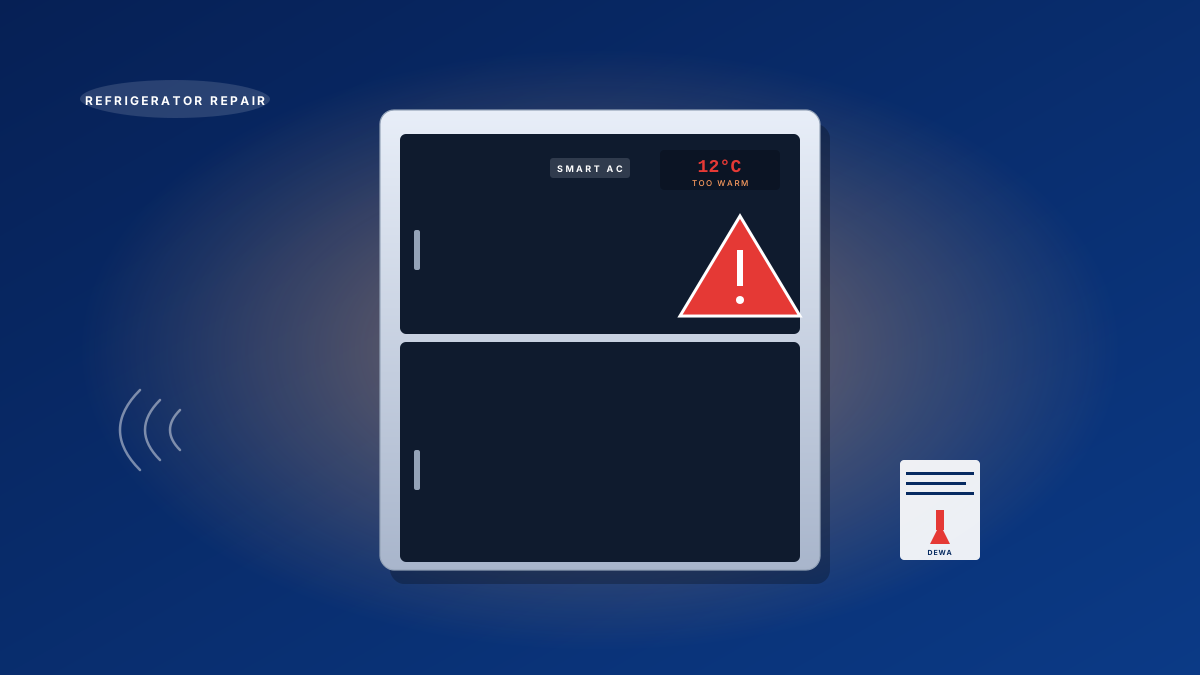
The compressor is the heart of your fridge – the pump that keeps refrigerant moving and everything inside cold. When it starts playing up, you will usually notice warm food, odd noises, or a motor that clicks on and off. The good news: not every compressor problem means a new fridge. Here is what actually goes wrong, what you can safely check yourself, and when it is time to call a technician.
What the compressor actually does
Your fridge cools by circulating refrigerant through a sealed loop. The compressor is the electric pump that keeps that refrigerant moving and under pressure. When it runs, the system cools; when it fails, nothing else in the fridge can do its job. That is why a compressor fault almost always shows up as a cooling problem – and why it is worth diagnosing properly instead of guessing.
Common refrigerator compressor problems
1. The fridge runs but does not cool
You can hear the fridge humming, but the inside is warm. This is the classic sign that the compressor is running without actually doing its job – often because of a refrigerant leak in the sealed system, worn internal valves, or a compressor that has lost pressure. If the motor is warm and running but nothing gets cold, the sealed system needs a technician with the right gauges and gas.
2. The compressor clicks on and off
A repeated click-buzz-click every few minutes usually points to the start relay or the compressor’s overload protector. The relay gives the compressor the jolt it needs to start; when it fails, the compressor tries, overheats, shuts off to protect itself, then tries again. Left alone, this short-cycling wears the compressor out fast. A relay is a cheap, quick fix – the compressor it protects is not – so it is worth acting on early.
3. The compressor runs constantly and gets very hot
Compressors are meant to cycle on and off. If yours never stops, and the metal body is too hot to touch for more than a second, it is overworking. In the UAE that is often down to dust-clogged condenser coils, a door seal letting warm air in, or the kitchen simply running hot. Constant running pushes up your DEWA or SEWA bill and shortens the compressor’s life.
4. Loud humming, buzzing or rattling
A soft hum is normal. Loud buzzing, knocking or rattling from the back of the fridge is not. It can be a failing relay, worn mounting rubbers, or the motor itself struggling. Noises that get louder over days or weeks are worth checking before the motor gives out completely.
5. The compressor will not start at all
Silence from the back of the fridge, no cooling, but the light and controls still work? The compressor may not be starting. Common causes are a dead start relay or capacitor, a tripped overload, or – in older units – a seized motor. A technician can test the relay and windings quickly to tell whether it is a small part or the compressor itself.
What causes compressor problems in the first place
Most compressor faults come down to a handful of things, and the UAE climate makes several of them worse:
- Dusty condenser coils. Dust and grease coat the coils at the back or underneath, trap heat, and force the compressor to work harder. This is the single most common cause we see.
- Power surges. Voltage swings can damage the start relay, capacitor or the compressor windings.
- Poor airflow. A fridge jammed against the wall or into a tight cabinet cannot shed heat, so the compressor runs hot.
- Refrigerant leaks. A slow leak makes the compressor run longer for less cooling until it eventually overheats.
- Age and wear. Most compressors last 10 to 15 years; heavy use in a hot climate can shorten that.
What you can safely check yourself
Before you call anyone, a few safe checks can save you a callout:
- Clean the condenser coils. Unplug the fridge and gently vacuum or brush the coils at the back or underneath. Do this every few months in the UAE.
- Give it breathing room. Leave a few centimetres of gap around and behind the fridge so heat can escape.
- Check the door seal. Close the door on a sheet of paper – if it slides out easily, the rubber gasket is weak and warm air is leaking in.
- Check the setting and vents. Make sure nothing is blocking the internal air vents and the thermostat has not been knocked to the wrong setting.
- Rule out the socket. Test the plug point with another appliance to be sure it is not a power issue.
What you should not do is open the sealed refrigerant system or try to swap the relay or start capacitor yourself – those carry a shock risk and need the right tools. If the fridge still is not cooling after the checks above, it is a technician job.
Repair or replace? The honest math
A failed relay, capacitor or overload protector is a small, affordable repair – well worth doing. A full compressor replacement or a sealed-system regas is a bigger job, so the decision usually comes down to the age of the fridge:
- Under 8 years old: repair is almost always the sensible choice, especially on a good-quality or built-in fridge.
- 8 to 12 years old: it depends on the fridge and the fault – we will give you honest numbers before you decide.
- Over 12 years old with a dead compressor: replacement often makes more sense.
Want to be sure it is the compressor at all? Read our guide to the signs your fridge compressor is failing, or let our refrigerator repair team diagnose it and quote before any work starts.
Why acting fast matters in the UAE
In a climate where kitchens sit above 30 degrees for much of the year, a struggling fridge loses the battle quickly. A compressor that is short-cycling or overheating can go from a cheap relay fix to a full failure in days – and once it stops, a fridge full of food follows soon after. Catching the problem early is almost always cheaper and less stressful than an emergency call with spoiled groceries.
How to prevent compressor problems
- Clean the coils every few months – it is the easiest way to add years to your compressor.
- Leave space around the fridge so it can shed heat properly.
- Use a surge protector to shield the relay and windings from voltage spikes.
- Do not overfill or block the vents – good airflow inside means the compressor runs less.
- Keep the door seal clean and intact so cold air stays where it belongs.
Frequently asked questions
Can a refrigerator compressor be repaired, or does it need replacing?
It depends on the fault. Start relays, capacitors and overload protectors are replaceable parts and a quick fix. A compressor with failed internal windings or a seized motor usually needs replacing, and on older fridges a new appliance can be the better value.
Why is my fridge compressor running but not cooling?
The motor is running but not moving refrigerant properly – usually a sealed-system leak, worn valves, or lost pressure. It needs a technician with gauges and gas; it is not a DIY fix.
How long does a fridge compressor last?
Typically 10 to 15 years. Heavy use, dusty coils and the UAE heat can shorten that, while regular coil cleaning and good airflow help it last longer.
How much does refrigerator compressor repair cost in the UAE?
A relay or capacitor is inexpensive; a compressor replacement or regas costs more. We give a fixed written quote after diagnosis, so you can decide before any work starts.
Get your fridge cooling again
If your fridge is warm, noisy, or the compressor is clicking on and off, do not wait for the food to spoil. Our technicians repair every major brand across Sharjah and Dubai, same-day, with a fixed price up front and a 90-day warranty. Book a technician or call +971 54 732 8202 and we will get your fridge cold again.
Need this repair? We cover your city
Related reading
Oven Not Heating? Causes and How to Fix It
Oven not heating at all? The common causes for electric and gas ovens, the safe checks you can try yourself, and when to call…
Dishwasher Not Draining? Causes and Fixes
Dishwasher not draining and left with standing water? Here are the common causes, the safe checks you can try yourself, and when to call…
Oven Temperature Wrong or Not Accurate? Causes and Fixes
Oven running too hot or too cold, burning or undercooking food? The common causes, how to test the real temperature, DIY fixes, and when…